Biweekly means a paycheck every two weeks, which comes to 26 a year. Semi-monthly means twice a month, usually the 15th and the last day, which is exactly 24.
The annual total can be identical while every individual paycheck is a different size. That is where most of the confusion starts.
26 paychecks versus 24
A year is about 52 weeks, so paying every two weeks gives 26 periods. Paying twice a month gives 24. On the same salary, biweekly checks are smaller but arrive more often.
A $60,000 salary paid biweekly is $60,000 / 26 = $2,307.69 a check. The same salary paid semi-monthly is $60,000 / 24 = $2,500.00. Both add up to $60,000.
The three paycheck month
26 paydays do not divide evenly into 12 months, so two months each year contain three paydays instead of two.
It is not extra money. It is the same annual amount arriving on a different rhythm. But it is worth planning for, because those two months have real spare room in them and most people spend it without noticing.
Semi-monthly schedules never do this. Two paydays a month, every month, which makes rent and fixed costs easier to plan against.
Why it matters more if you are paid hourly
A biweekly period contains exactly two workweeks, normally 80 hours at full time. Everything lines up.
Semi-monthly periods do not line up with workweeks at all. One period might hold 10 working days and the next 11, and a single week can be cut in half across two paychecks.
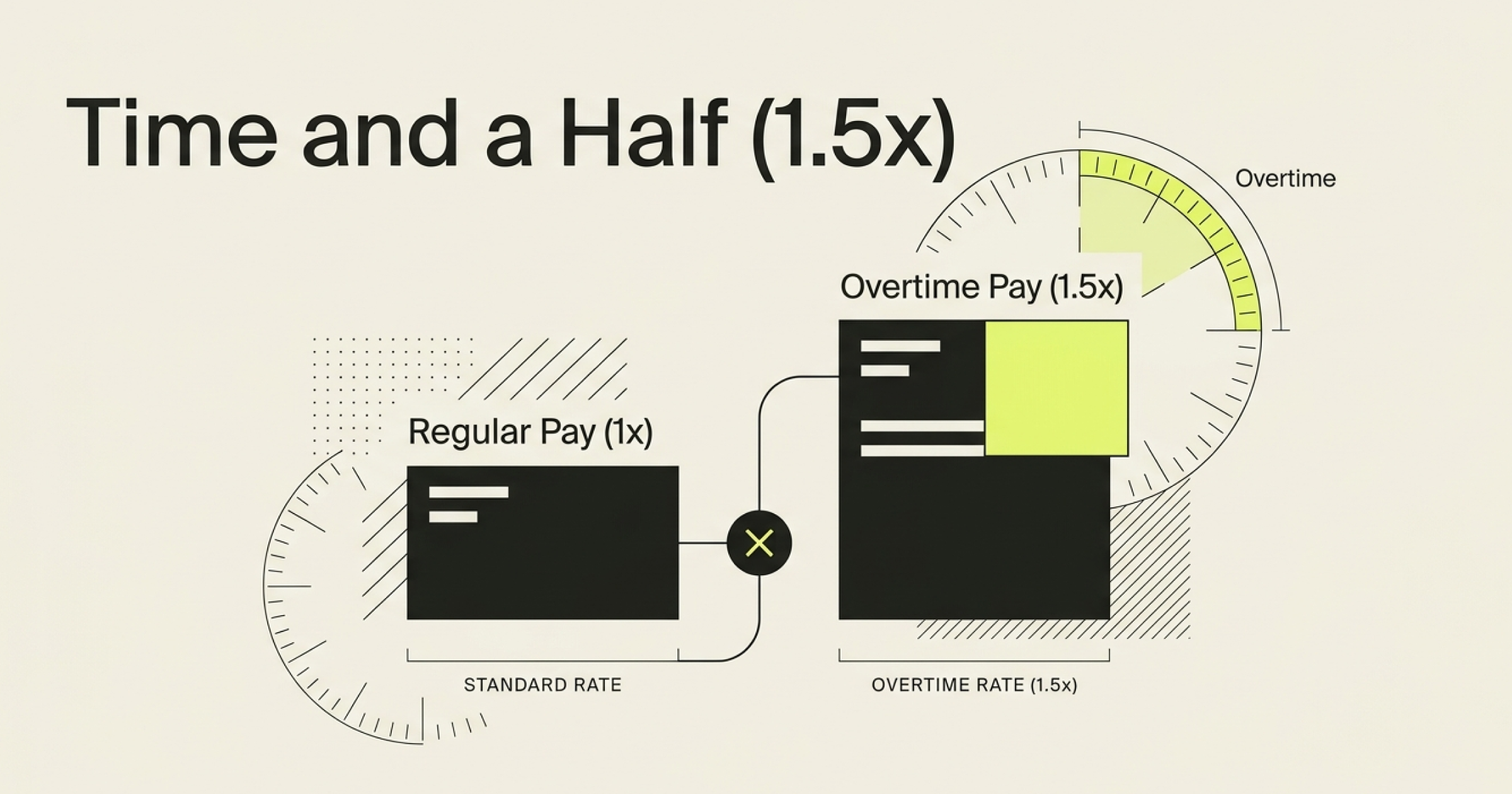
That matters for overtime. Overtime is worked out by the workweek, not by the pay period. If a workweek is split across two semi-monthly checks it still has to be judged as one 40 hour week. Hours from two different workweeks are never added together to avoid paying it.
Converting between the two
Multiply the biweekly amount by 26 to get the annual figure, then divide by 24. A $2,000 biweekly check is $52,000 a year, which is $2,166.67 semi-monthly.
Reverse it by multiplying the semi-monthly amount by 24 and dividing by 26.
If you are weighing two job offers, compare the annual figures. Comparing paycheck sizes will mislead you every time, because a bigger check can simply mean fewer of them.
Compare offers on the same basis
The Hourly to Salary Calculator converts between hourly, weekly, monthly, and annual so two offers can be lined up properly. The Time Card Calculator totals the hours behind an hourly paycheck, and how to calculate overtime pay covers the workweek rule in full.
Every figure here is gross, before tax and deductions. Payday timing rules vary by state, so check what applies where you work.
Frequently asked questions
How many paychecks are there in a year?
26 on a biweekly schedule and 24 on a semi-monthly one. The annual total can be the same either way, but each individual check differs.
Why did I get three paychecks this month?
Because 26 biweekly paydays do not spread evenly across 12 months, so two months a year land three. It is not a bonus, just the same annual pay arriving on a different rhythm.
Is biweekly better than semi-monthly?
Neither pays more over a year. Biweekly suits hourly work because each period is exactly two workweeks. Semi-monthly suits fixed monthly bills because the dates never move.
Does the pay schedule change my overtime?
No. Overtime is always judged by the workweek, never by the pay period, even when a week is split across two semi-monthly paychecks.
Sources
- Fact Sheet #23: Overtime Pay Requirements of the FLSA, U.S. Department of Labor, Wage and Hour Division. Checked .
- State Payday Requirements, U.S. Department of Labor, Wage and Hour Division. Checked .