Calculator
Enter your values and read the result.
40%
The difference between 40 and 60 is 40%
Other calculations
The percent difference formula
Percentage difference = |first − second| ÷ ((first + second) ÷ 2) × 100
How to calculate percentage difference
- 1.Subtract one value from the other and ignore the minus sign. The order does not matter here.
- 2.Add the two values and halve the total to get their average.
- 3.Divide the gap by that average, then multiply by 100.
Worked example
Two shops quote $40 and $60 for the same item. What is the percentage difference?
- The gap is 60 − 40 = 20
- The average is (40 + 60) ÷ 2 = 50
- 20 ÷ 50 × 100 = 40%
A 40% difference. Note that going from 40 to 60 would be a 50% increase, which is a different question.
Why it divides by the average
Neither value is the starting point, so neither has a claim to be the base. Dividing by the average treats them equally, which is why the answer is the same whichever way round you enter them and why it is always positive.
Common questions
What is the difference between percentage difference and percentage change?
Percentage change measures against the first value and has a direction. Percentage difference divides by the average of the two, so it has no direction and never depends on order.
Why is my percentage difference smaller than the percent change?
Because the average is larger than the smaller of the two values. Comparing 40 and 60 gives a 40% difference but a 50% increase, from the same pair of numbers.
When should I use percentage difference?
When you are comparing two measurements, quotes, or results where neither came first. If one value is a starting point, percent change is the right calculation.
Other percentage calculations
Runs in your browser. Your entries are calculated on this device. Ziannah does not store the values you enter here.
Related tools
Explore all toolsHow it works
The percent difference formula
Percentage difference = |first − second| ÷ ((first + second) ÷ 2) × 100
How to calculate percentage difference
Subtract one value from the other and ignore the minus sign. The order does not matter here. Add the two values and halve the total to get their average. Divide the gap by that average, then multiply by 100.
Why it divides by the average
Neither value is the starting point, so neither has a claim to be the base. Dividing by the average treats them equally, which is why the answer is the same whichever way round you enter them and why it is always positive.
Related reading
Read the blog
Article
Is overtime taxed more? No, and here is the real reason
Overtime is taxed at the same rate as your normal pay. Here is why your payslip looks wrong, and the new deduction that cuts what you owe from 2025 to 2028.
Article
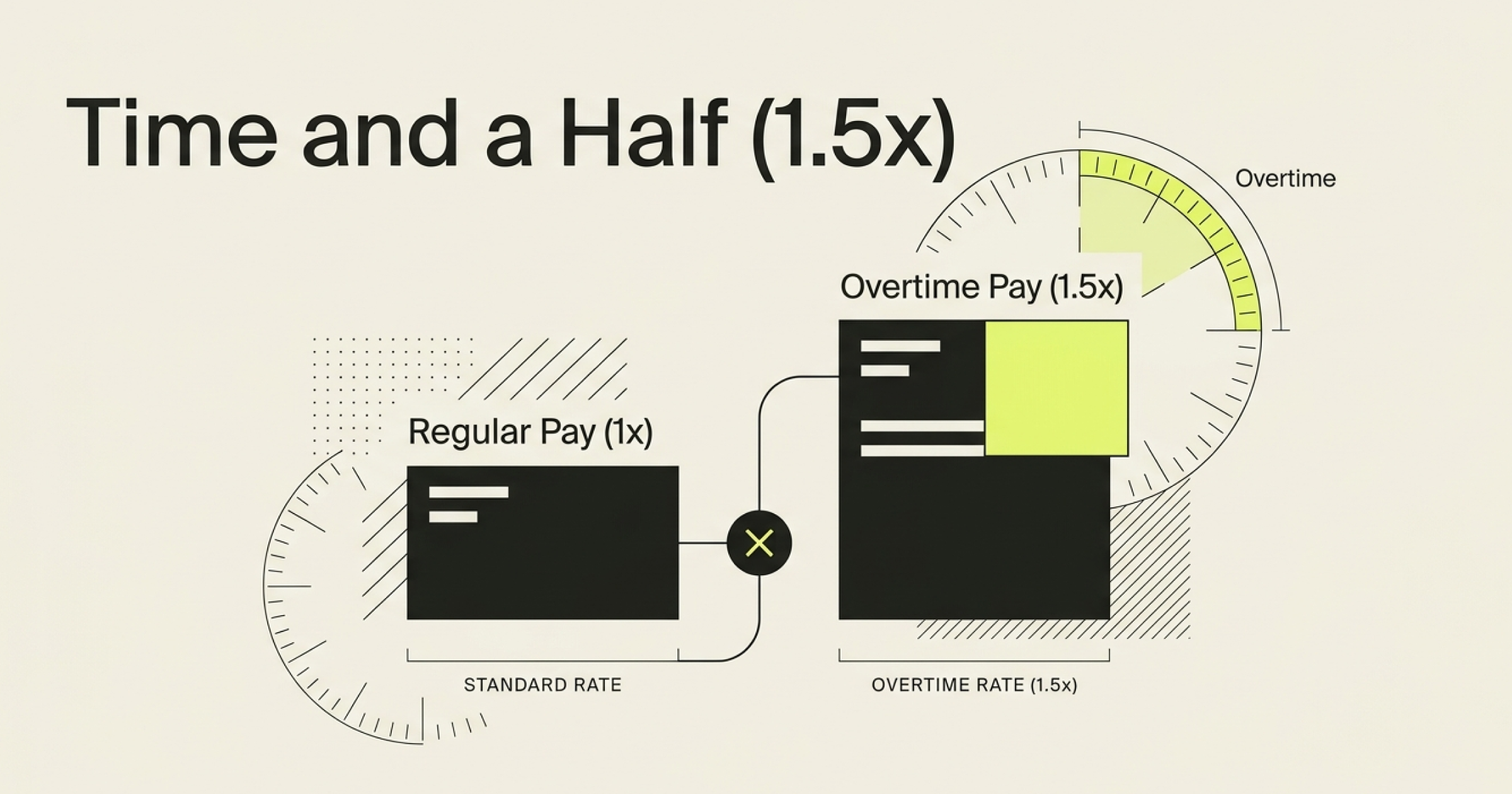
How to Calculate Overtime Pay (Time and a Half)
Multiply your regular rate by 1.5 and then by your overtime hours. The hard part is knowing which rate to use, because it is often higher than your wage.

Article
Minutes to Decimal Hours: Payroll Conversion Chart
Divide minutes by 60. Here is the chart, the four values worth memorizing, and the rounding habit that quietly costs you minutes every week.